What Is A/B Testing, and How to Run Your First Test
In digital marketing, even the smallest changes can make a big difference. A new headline, a different call-to-action button, or a redesigned landing page can significantly impact how visitors interact with your website. But how do you know which version performs better? The answer is A/B testing.
A/B testing, also known as split testing, is a simple but powerful method used to compare two versions of a webpage, email, advertisement, or other digital content. Instead of relying on assumptions, businesses collect real user data to determine which version delivers better results.
Whether your goal is to generate more leads, increase online sales, or improve user engagement, A/B testing helps you make data-driven decisions. Rather than guessing what your audience prefers, you allow actual customer behavior to guide your marketing strategy.
The Best Digital Marketing Agency uses A/B testing as a core part of digital marketing because continuous testing leads to continuous improvement. In this blog, you’ll learn what A/B testing is, why it matters, and how to run your first successful test.
What Is A/B Testing?
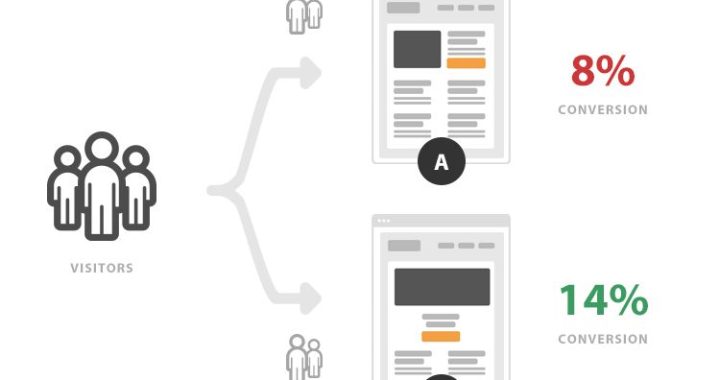
A/B testing is the process of comparing two versions of the same digital asset to identify which one performs better.
Typically:
- Version A is the original version.
- Version B contains one specific change.
Your audience is randomly divided between the two versions, and their behavior is measured. The version that achieves better results becomes the preferred choice.
This process removes guesswork and helps businesses improve their websites and marketing campaigns using real performance data.
Why Is A/B Testing Important?
Without testing, businesses often make decisions based on opinions rather than evidence. A/B testing allows marketers to understand what actually works for their audience.
Some key benefits include:
- Higher conversion rates
- Better customer experience
- Increased click-through rates
- Lower bounce rates
- Improved marketing performance
- Better return on investment (ROI)
Even small improvements discovered through testing can lead to significant long-term growth.
What Can You A/B Test?
Almost every digital element can be tested, including:
Website Headlines
Different headlines can attract varying levels of attention and encourage visitors to continue reading.
Call-to-Action (CTA) Buttons
You can test:
- Button text
- Button color
- Button size
- Button placement
For example, comparing “Get Started” with “Start Your Free Trial” may reveal which phrase generates more clicks.
Landing Pages
Test different layouts, images, forms, or page designs to improve user engagement and conversions.
Email Campaigns
Common elements to test include:
- Subject lines
- Email content
- Images
- Send times
- CTA buttons
Advertisements
Compare:
- Headlines
- Ad copy
- Images
- Offers
- Audience targeting
Testing helps improve advertising performance and reduce wasted spending.
Product Pages
Businesses often test:
- Product descriptions
- Images
- Pricing displays
- Customer reviews
- Purchase buttons
Small adjustments can influence buying decisions.
How A/B Testing Works
The testing process follows a few simple steps:
Step 1: Set a Clear Goal
Decide what you want to improve.
Examples include:
- More purchases
- More newsletter subscriptions
- Higher click-through rates
- More contact form submissions
A specific goal makes your results easier to measure.
Step 2: Choose One Element to Test
Only test one variable at a time.
Examples include:
- Headline
- CTA button
- Image
- Form length
Changing multiple elements at once makes it difficult to identify which change influenced the results.
Step 3: Create Two Versions
Prepare:
- Version A: The original page
- Version B: The page with one modification
Everything else should remain the same.
Step 4: Split Your Audience
Either Version A or Version B is shown to visitors at random.
This ensures both versions receive similar types of users.
Step 5: Collect Enough Data
Allow sufficient traffic before drawing conclusions.
Ending a test too early can produce unreliable results.
Step 6: Analyze the Results
Compare important metrics such as:
- Conversion rate
- Click-through rate
- Bounce rate
- Engagement
- Sales
If Version B performs better, implement it as the new standard.
Key Metrics to Monitor
When reviewing your A/B test, pay attention to:
- Conversion Rate
- Click-Through Rate (CTR)
- Bounce Rate
- Time on Page
- Form Submissions
- Sales
- Revenue
- Return on Investment (ROI)
Choose metrics that align with your business goals.
Common A/B Testing Mistakes
Many beginners make mistakes that reduce the accuracy of their tests.
Avoid:
- Testing multiple changes at once
- Stopping the test too early
- Using a very small sample size
- Ignoring business goals
- Making decisions without enough data
- Running tests without tracking results
A structured testing process produces more reliable insights.
Best Practices for Successful A/B Testing
To improve your testing strategy:
- Test one variable at a time.
- Define measurable goals before starting.
- Give your test enough time to collect data.
- Keep detailed records of every experiment.
- Continue testing regularly.
- Base decisions on data rather than opinions.
Remember, optimization is an ongoing process.
How the Best Digital Marketing Agency Uses A/B Testing
The Best Digital Marketing Agency uses A/B testing to improve websites, landing pages, email campaigns, advertisements, and conversion funnels. By analyzing real user behavior, marketers can identify the changes that produce the best results instead of relying on assumptions.
For example, testing different headlines, button text, or page layouts can increase lead generation and sales without increasing advertising costs. Continuous testing helps businesses improve customer experiences, maximize conversions, and achieve long-term marketing success.
Conclusion
A/B testing is one of the most valuable techniques in digital marketing because it helps businesses make smarter decisions based on real data. Instead of guessing what customers want, you can test different versions of your content and measure which one performs better.
Whether you’re optimizing a landing page, improving an email campaign, or refining an online advertisement, regular A/B testing leads to better user experiences, higher conversion rates, and stronger business growth.
At World Digital Hub, we believe successful marketing is built on continuous improvement. As the Best Digital Marketing Agency, we use A/B testing, analytics, SEO, and data-driven strategies to help businesses improve performance, attract more customers, and achieve measurable results.
Frequently Asked Questions (FAQs)
1. What is A/B testing?
A/B testing, also called split testing, is a method of comparing two versions of a webpage, email, advertisement, or other digital asset to determine which performs better based on user behavior.
2. Why is A/B testing important?
A/B testing helps businesses make data-driven decisions, improve user experience, increase conversions, reduce bounce rates, and maximize return on investment (ROI).
3. What elements can be tested?
You can test headlines, call-to-action buttons, landing pages, email subject lines, advertisements, product pages, images, forms, and website layouts.
4. What is the ideal duration for an A/B test?
A test should continue until it collects enough data to produce reliable results. The exact duration depends on your website traffic and the number of visitors participating in the test.