What Is Freelancing, and How to Land Your First Client

What Is Freelancing, and How to Land Your First Client

The way people work has changed dramatically over the last few years. Instead of working only in traditional office jobs, many professionals now choose to work independently and offer their skills to clients worldwide. This flexible way of working is known as freelancing, and it has become one of the most popular career options for students, professionals, and entrepreneurs.

Freelancing allows individuals to work on projects for different clients rather than being employed by a single company. Whether you’re a graphic designer, content writer, web developer, video editor, SEO specialist, or digital marketer, freelancing gives you the freedom to choose your clients, set your working hours, and often work from anywhere with an internet connection.

The Best Digital Marketing Agency understands that freelancing is more than just earning money—it’s about building valuable skills, creating strong client relationships, and developing a successful long-term career. In this blog, you’ll learn what freelancing is, its benefits, and practical steps to help you land your very first client.

What Is Freelancing?

Freelancing is a type of self-employment where individuals provide services to multiple clients instead of working full-time for one employer. Freelancers are usually hired for specific projects or short-term assignments and are paid based on the work they complete.

Unlike traditional jobs, freelancers are responsible for finding their own clients, managing their schedules, setting prices, and delivering projects on time. This independence gives freelancers greater flexibility but also requires discipline, communication skills, and time management.

Today, freelancing opportunities exist in almost every industry. Digital marketing, content writing, graphic design, website development, video editing, translation, virtual assistance, and social media management are just a few of the many services freelancers offer online.

Why Choose Freelancing?

One of the biggest reasons people choose freelancing is the freedom it provides. Freelancers have the flexibility to decide when they work, where they work, and which projects they accept. This makes freelancing especially attractive for students, parents, and professionals looking for a better work-life balance.

Another major advantage is the opportunity to work with clients from different industries and countries. Every project helps you gain new experience, improve your skills, and expand your professional network. As your reputation grows, you can increase your rates and choose higher-quality projects.

Freelancing also offers unlimited earning potential. Unlike traditional jobs with fixed salaries, freelancers can increase their income by improving their skills, attracting better clients, and managing multiple projects efficiently.

Skills You Can Offer as a Freelancer

Before finding your first client, you need to identify the skills you can provide. You don’t have to know everything. It’s better to become highly skilled in one area before expanding into others.

Popular freelancing skills include content writing, Search Engine Optimization (SEO), social media management, graphic design, website development, video editing, email marketing, Google Ads, data entry, virtual assistance, and digital marketing. These services are in high demand because businesses constantly need professionals who can help them grow online.

If you’re just getting started, choose a skill that matches your interests and spend time learning through online courses, tutorials, and practical projects. Building expertise in one area makes it easier to attract your first client.

How to Build Your Portfolio

Many beginners worry that they don’t have experience, but every freelancer starts somewhere. The best way to overcome this challenge is by creating a portfolio using personal or practice projects.

For example, if you’re interested in content writing, write sample blog posts on topics you enjoy. If you want to become an SEO specialist, optimize a personal website and document the improvements. Graphic designers can create branding concepts, logos, or social media posts to showcase their creativity.

A professional portfolio demonstrates your abilities and gives potential clients confidence in your skills. Even if the projects are self-created, they show your dedication and willingness to learn.

How to Land Your First Client

Finding your first client may feel challenging, but it becomes easier when you take a structured approach. Start by creating professional profiles on freelancing platforms and include a clear description of your services, skills, and portfolio. Write personalized proposals instead of sending the same message to every client. Explain how you can solve their problem rather than simply listing your qualifications.

Networking is equally important. Let friends, family, classmates, and former colleagues know about your services. Many freelancers receive their first opportunities through referrals or personal connections. You can also join LinkedIn groups, Facebook communities, and online forums where business owners look for freelancers.

Don’t be discouraged if you don’t get hired immediately. Most successful freelancers faced several rejections before landing their first project. Consistency, patience, and continuous improvement will eventually help you secure clients.

Tips for Building Long-Term Client Relationships

Getting your first client is only the beginning. Long-term success comes from delivering quality work and maintaining professional relationships. Always communicate clearly, meet deadlines, and respond to client questions promptly. Reliability often matters just as much as technical skills.

Ask for feedback after completing a project and use it to improve your services. Satisfied clients are more likely to hire you again and recommend you to others. Positive reviews and referrals help build your reputation and make it easier to attract new clients.

As your experience grows, continue learning new skills and expanding your portfolio. The more value you provide, the more opportunities you’ll create for yourself.

Common Mistakes New Freelancers Should Avoid

Many beginners make the mistake of charging extremely low prices just to win projects. While competitive pricing is helpful at the beginning, undervaluing your work can make it difficult to build a sustainable career. Set fair prices based on your skills and gradually increase them as you gain experience.

Another common mistake is accepting every project without considering whether it matches your abilities. It’s better to focus on projects where you can deliver excellent results rather than taking work you cannot complete successfully.

Finally, avoid poor communication. Keep clients updated on your progress, ask questions when needed, and always deliver work on time. Professional communication builds trust and encourages repeat business.

How the Best Digital Marketing Agency Supports Freelancers

The Best Digital Marketing Agency believes that successful freelancers are built through continuous learning, practical experience, and strong communication skills. Freelancers who understand SEO, content marketing, social media, analytics, and digital advertising have more opportunities to work with businesses across different industries.

By staying updated with industry trends and focusing on delivering value instead of simply completing tasks, freelancers can build long-term careers and establish themselves as trusted professionals. Every successful freelancer starts with one client, and every completed project becomes a stepping stone toward greater opportunities.

Conclusion

Freelancing is an excellent career option for anyone who values flexibility, independence, and continuous learning. Although finding your first client may seem difficult, it becomes much easier when you focus on developing valuable skills, building a strong portfolio, networking effectively, and delivering high-quality work.

Remember that every experienced freelancer was once a beginner. Success doesn’t happen overnight, but consistent effort, patience, and a commitment to learning can help you build a rewarding freelance career.

At World Digital Hub, we believe that freelancing is more than just a way to earn income—it’s an opportunity to build a meaningful career. As the Best Digital Marketing Agency, we encourage aspiring freelancers to strengthen their digital skills, embrace new opportunities, and confidently take the first step toward long-term professional success.

Frequently Asked Questions (FAQs)

1. What is freelancing?

Freelancing is a form of self-employment where individuals provide services to multiple clients on a project or contract basis instead of working full-time for one employer.

2. Do I need having worked to begin freelancing?

Yes. You can begin by learning a skill, creating practice projects, building a portfolio, and applying for entry-level freelance opportunities to gain experience.

3. Which freelancing skills are most in demand?

Some of the most popular freelancing skills include content writing, SEO, social media management, graphic design, web development, video editing, digital marketing, and virtual assistance.

4. Where can I find my first freelance client?

You can find clients through freelancing platforms, LinkedIn, social media, networking events, referrals from friends or family, and by reaching out to small businesses that may need your services.
How to Start a Career in Digital Marketing With Zero Experience…!

How to Start a Career in Digital Marketing With Zero Experience

Digital marketing has become one of the fastest-growing career fields in the world. As businesses continue to shift online, the demand for skilled digital marketers is increasing every year. The best part is that you don’t need years of experience or a marketing degree to begin. Many successful digital marketers started with little or no experience, learning through online courses, practical projects, and continuous practice.

If you’re wondering how to enter the industry without previous work experience, you’re not alone. Thousands of students, fresh graduates, freelancers, and career changers ask the same question. Fortunately, digital marketing is a skill-based profession where employers often value practical knowledge and results more than formal qualifications.

The Best Digital Marketing Agency believes that anyone with dedication, curiosity, and a willingness to learn can build a successful career in digital marketing. In this guide, you’ll learn the essential skills, practical steps, and career tips to help you get started—even if you’re beginning from scratch.

What Is Digital Marketing?

The process of promoting goods, services, or brands through digital technologies and online platforms is known as digital marketing. Instead of relying on traditional methods such as newspapers, television, or billboards, businesses use websites, search engines, social media, email, and online advertisements to connect with their audience.

Digital marketing covers several specialized areas, including Search Engine Optimization (SEO), social media marketing, content marketing, email marketing, pay-per-click (PPC) advertising, affiliate marketing, influencer marketing, and web analytics. Because businesses need experts in these fields, digital marketing offers a wide variety of career opportunities.

The industry is constantly evolving, making it an exciting career for people who enjoy learning new tools, technologies, and strategies.

Why Choose a Career in Digital Marketing?

Digital marketing is one of the few industries where your skills often matter more than your educational background. Many companies hire candidates who can demonstrate practical knowledge, creativity, and problem-solving abilities rather than simply presenting a degree or years of experience.

Another advantage is the flexibility of the profession. Digital marketers can work in agencies, startups, multinational companies, or as freelancers. Some professionals even build their own digital marketing businesses after gaining experience. Since businesses across every industry need online marketing, career opportunities continue to grow.

The field also offers excellent career progression. Beginners can start as interns or junior executives and gradually advance into roles such as SEO Specialist, Content Strategist, Social Media Manager, PPC Expert, Digital Marketing Manager, or Marketing Consultant.

Learn the Fundamentals First

Before applying for jobs, it’s important to understand the basics of digital marketing. Begin by learning how search engines work, how businesses use social media, how online advertising functions, and why quality content is important. Understanding these core concepts provides a strong foundation for future learning.

There are many free and affordable online courses that teach digital marketing fundamentals. In addition to watching tutorials, spend time reading blogs, following industry experts, and staying updated with the latest trends. Since digital marketing changes frequently, developing a habit of continuous learning will benefit your career.

Rather than trying to master every topic at once, focus on understanding the overall digital marketing ecosystem before choosing a specialization.

Build Practical Skills Through Real Projects

Learning theory alone is not enough. Employers want to see that you can apply your knowledge in real situations. One of the best ways to gain experience is by creating your own projects. You can start a personal blog, build a simple website, create social media pages, or promote a small project to practice different marketing techniques.

For example, you can write SEO-friendly blog posts, optimize website pages for search engines, design social media content, or run a small advertising campaign with a limited budget. These projects help you understand how digital marketing works in practice while also giving you examples to include in your portfolio.

Even if your projects are personal, they demonstrate initiative, creativity, and problem-solving skills—qualities that employers value highly.

Choose a Specialization

Digital marketing includes many different career paths, so it’s helpful to identify the area that interests you most. Some people enjoy writing and content creation, while others prefer data analysis, graphic design, or paid advertising. Exploring different fields allows you to discover your strengths before focusing on one specialization.

Popular career options include SEO, content marketing, social media marketing, email marketing, Google Ads, analytics, influencer marketing, and marketing automation. Although it’s beneficial to understand the basics of each area, developing expertise in one field can improve your career prospects and help you stand out in the job market.

Remember that your specialization doesn’t have to be permanent. Many professionals expand their skills and learn additional areas as their careers progress.

Create a Strong Portfolio and Personal Brand

When you have little or no work experience, your portfolio becomes your greatest asset. Include personal projects, blog articles, website screenshots, social media campaigns, SEO case studies, or any marketing work you’ve completed during your learning journey. A well-organized portfolio shows employers what you’re capable of achieving.

Building your personal brand is equally important. Maintain an updated LinkedIn profile, share marketing insights, publish articles, and engage with industry professionals. Demonstrating your knowledge online helps establish credibility and increases your visibility among recruiters and potential employers.

A strong online presence can often open doors to internships, freelance opportunities, and full-time positions.

Gain Experience Through Internships and Freelancing

Don’t wait for the perfect job before gaining experience. Apply for internships, volunteer for small businesses, or offer freelance services to local clients. These opportunities help you develop practical skills while building confidence and expanding your portfolio.

Even small projects can teach valuable lessons about communication, client expectations, campaign management, and performance analysis. Over time, these experiences become strong additions to your resume and increase your chances of securing higher-paying positions.

Every successful digital marketer started somewhere. The key is to keep learning, practicing, and improving with each project.

How the Best Digital Marketing Agency Helps Beginners

The Best Digital Marketing Agency believes that successful digital marketers are developed through practical experience and continuous learning. Beginners are encouraged to work on real-world projects, analyze campaign results, understand customer behavior, and stay updated with the latest digital trends.

By combining SEO, content marketing, analytics, social media marketing, and paid advertising skills, aspiring professionals become well-rounded marketers who can adapt to different business needs. Continuous learning and hands-on practice remain the foundation of long-term success in this industry.

Conclusion

Starting a career in digital marketing without experience may seem challenging, but it is entirely achievable with the right approach. By learning the fundamentals, practicing through personal projects, building a portfolio, choosing a specialization, and gaining experience through internships or freelancing, you can create a strong foundation for a rewarding career.

Digital marketing rewards curiosity, creativity, and continuous improvement. Employers value candidates who demonstrate practical skills and a willingness to learn. Every campaign, project, and certification adds to your experience and prepares you for greater opportunities.

At World Digital Hub, we believe that success in digital marketing begins with knowledge, practice, and persistence. As the Best Digital Marketing Agency, we encourage aspiring marketers to develop real-world skills, embrace continuous learning, and confidently take the first step toward a successful digital marketing career.

Frequently Asked Questions (FAQs)

1. Can I start a digital marketing career with no experience?

Yes. Many professionals begin with no prior experience by learning through online courses, practicing with personal projects, and gaining experience through internships or freelance work.

2. What skills do I need to become a digital marketer?

Important skills include SEO, content writing, social media marketing, email marketing, Google Ads, analytics, communication, creativity, and basic website knowledge.

3. Do I need a degree to work in digital marketing?

No. While a degree can be helpful, many employers prioritize practical skills, certifications, portfolios, and hands-on experience over formal education.

4. How can I build experience if I don’t have a job?

You can create your own website or blog, manage social media pages, volunteer for small businesses, complete internships, or work on freelance projects to gain practical experience.

Why Is CRO Important?


What Is Conversion Rate Optimization (CRO)?

Driving traffic to your website is an important part of digital marketing, but traffic alone does not guarantee business success. Imagine having thousands of visitors on your website every month, yet only a handful of them make a purchase, fill out a contact form, or subscribe to your newsletter. This is a common challenge for many businesses, and it highlights the importance of Conversion Rate Optimization (CRO).

Conversion Rate Optimization, commonly known as CRO, is the process of improving your website or landing pages to encourage more visitors to complete a desired action. Instead of spending more money on advertising to attract additional traffic, CRO focuses on making better use of the visitors you already have. Small improvements in website design, content, navigation, and user experience can lead to significant increases in conversions.

The Best Digital Marketing Agency understands that successful digital marketing is not just about bringing people to a website—it’s about turning those visitors into customers. By using data, customer insights, and continuous testing, businesses can improve conversion rates and achieve better returns on their marketing investment.

In this blog, we’ll explain what CRO is, why it matters, the factors that influence conversions, and the best practices businesses can follow to optimize their websites.

What Is Conversion Rate Optimization (CRO)?

Conversion Rate Optimization is the practice of increasing the percentage of website visitors who complete a specific goal or action. A conversion can be any action that supports your business objectives, such as purchasing a product, requesting a quote, downloading an eBook, signing up for a newsletter, or submitting a contact form.

Rather than focusing solely on increasing website traffic, CRO aims to improve the effectiveness of your existing traffic. It involves analyzing how visitors interact with your website, identifying barriers that prevent conversions, and making improvements based on real user behavior.

Because CRO relies on testing and data analysis rather than assumptions, it helps businesses make smarter decisions that improve both user experience and overall business performance.

Why Is CRO Important?

Many businesses invest heavily in SEO, social media marketing, and paid advertising to attract visitors, but if those visitors leave without taking action, much of that effort is wasted. CRO ensures that the traffic you generate has a better chance of becoming valuable leads or paying customers.

Improving your conversion rate also increases your return on investment (ROI). Instead of spending more money to attract new visitors, you maximize the value of the audience you already have. Even a small improvement in conversion rate can lead to significant growth in revenue over time.

Another benefit of CRO is that it enhances the user experience. When visitors find a website easy to navigate, fast to load, and simple to use, they are more likely to trust the business and complete the desired action.

What Counts as a Conversion?

A conversion depends on your business goals. For an e-commerce website, a conversion may be a completed purchase. For a service-based business, it could be a contact form submission or a consultation booking. Educational websites may focus on newsletter subscriptions or course registrations.

Other common conversions include downloading a free guide, creating an account, requesting a product demonstration, or clicking a call-to-action button. Every business should clearly define its conversion goals before beginning a CRO strategy.

Understanding what success looks like helps businesses measure performance accurately and identify areas that need improvement.

Factors That Affect Conversion Rates

Several elements influence whether visitors choose to take action on your website. One of the most important factors is website design. A clean, professional, and visually appealing design creates a positive first impression and encourages users to stay longer.

Website speed also plays a major role. Slow-loading pages often frustrate visitors, causing them to leave before exploring your content. Optimizing page speed improves both user experience and search engine rankings.

Content quality is another important factor. Clear, informative, and engaging content helps visitors understand your products or services and builds confidence in your brand. Conversation calls-to-action (CTAs), customer endorsements, and trust signals like security badges all increase conversion rates.

Best Practices for Conversion Rate Optimization

Successful CRO requires continuous testing and improvement rather than one-time changes. Businesses should regularly analyze website performance using tools such as Google Analytics and heatmaps to understand how visitors interact with different pages.

A/B testing is another effective CRO technique. By comparing two versions of a webpage, businesses can determine which design, headline, image, or call-to-action performs better. Small changes based on testing often produce meaningful improvements in conversion rates.

Businesses should also simplify navigation, reduce unnecessary form fields, optimize websites for mobile devices, and ensure that important information is easy to find. The easier it is for visitors to complete an action, the higher the chances of conversion.

Common CRO Mistakes to Avoid

Many businesses focus entirely on increasing website traffic while ignoring conversion optimization. Although attracting visitors is important, converting those visitors into customers should always be a priority.

Another common mistake is making changes without analyzing data. CRO decisions should be based on customer behavior, analytics, and testing rather than personal preferences. Businesses should also avoid using complicated forms, unclear navigation, or confusing calls-to-action, as these create friction that discourages conversions.

Finally, CRO should never be treated as a one-time project. Customer expectations and market trends change over time, making continuous optimization essential for long-term success.

How the Best Digital Marketing Agency Uses CRO

The Best Digital Marketing Agency uses Conversion Rate Optimization to help businesses maximize the value of every website visitor. By analyzing customer behavior, conducting A/B tests, improving landing pages, optimizing calls-to-action, and enhancing website usability, marketers create digital experiences that encourage visitors to take meaningful actions.

CRO concentrates on enhancing business outcomes rather than just generating traffic. Whether the goal is generating leads, increasing online sales, or growing newsletter subscriptions, data-driven optimization helps businesses achieve measurable and sustainable growth.

Conclusion

Conversion Rate Optimization is one of the most valuable strategies in digital marketing because it focuses on turning website visitors into customers. Instead of spending more on advertising, businesses can achieve better results by improving the user experience, simplifying website navigation, and continuously testing different elements of their website.

Successful CRO combines analytics, customer insights, A/B testing, and ongoing optimization to remove barriers that prevent visitors from converting. Even small improvements can lead to significant increases in leads, sales, and overall business performance.

At World Digital Hub, we believe every website should do more than attract visitors—it should convert them into loyal customers. As the Best Digital Marketing Agency, we use CRO alongside SEO, content marketing, analytics, and digital advertising to help businesses achieve higher conversions and long-term online success.

Frequently Asked Questions (FAQs)

1. What is Conversion Rate Optimization (CRO)?

Conversion Rate Optimization (CRO) is the process of improving a website or landing page to increase the percentage of visitors who complete a desired action, such as making a purchase or submitting a contact form.

2. Why is CRO important?

CRO helps businesses generate more leads and sales from their existing website traffic, improves user experience, and increases the return on investment (ROI) from marketing campaigns.

3. What is considered a conversion?

A conversion can be any valuable action that supports business goals, including purchases, contact form submissions, newsletter sign-ups, account registrations, downloads, or consultation bookings.

4. How can businesses improve their conversion rates?

Businesses can improve conversions by optimizing website speed, simplifying navigation, creating compelling calls-to-action, improving content quality, using customer testimonials, and conducting A/B testing.

Understanding Customer Journey Mapping..

Understanding Customer Journey Mapping

In today’s competitive digital world, attracting customers is only the first step. The real challenge is understanding how people interact with your business before making a purchase and even after becoming loyal customers. Every customer follows a unique path—from discovering your brand to making a buying decision—and businesses that understand this journey are better equipped to provide exceptional experiences. This process is known as Customer Journey Mapping.

Customer Journey Mapping is a strategy that helps businesses visualize every interaction a customer has with their brand. It allows companies to understand what customers are thinking, feeling, and doing at each stage of their journey. By identifying these touchpoints, businesses can improve customer satisfaction, remove obstacles, and create a smoother buying experience.

The Best Digital Marketing Agency uses customer journey mapping to develop marketing strategies that focus on customer needs rather than assumptions. By understanding how customers behave, businesses can create personalized experiences that increase engagement, improve conversions, and build long-term relationships.

In this blog, we’ll explore what Customer Journey Mapping is, why it’s important, the stages involved, and how businesses can use it to create better marketing strategies.

What Is Customer Journey Mapping?

Customer Journey Mapping is the process of creating a visual representation of every interaction a customer has with a business. It outlines the complete experience, from the moment a customer first becomes aware of a product or service until after they make a purchase and continue engaging with the brand.

Instead of focusing only on selling products, customer journey mapping helps businesses understand customer expectations, emotions, challenges, and motivations at every stage. This allows marketers to identify areas where customers may become frustrated and make improvements that create a better overall experience.

A well-designed customer journey map enables businesses to make customer-focused decisions rather than relying solely on internal assumptions.

Why Is Customer Journey Mapping Important?

Understanding the customer journey helps businesses see their brand from the customer’s perspective. This makes it easier to identify opportunities to improve communication, simplify processes, and provide better support throughout the buying journey. When customers enjoy a smooth and positive experience, they are more likely to trust the business and return in the future.

Customer journey mapping also helps businesses improve their marketing strategies. Instead of sending the same message to everyone, companies can deliver personalized content based on where customers are in their journey. This increases engagement and makes marketing campaigns more effective.

In addition, customer journey mapping encourages teamwork across departments. Marketing, sales, and customer support teams gain a shared understanding of customer needs, allowing them to work together to deliver a consistent and satisfying experience.

The Five Stages of the Customer Journey

Every customer goes through several stages before becoming a loyal customer. Understanding each stage helps businesses create the right content and support at the right time.

1. Awareness

The journey begins when customers realize they have a need or problem. At this stage, they may discover your business through search engines, social media, advertisements, blogs, or recommendations from others. The goal is to create awareness by providing helpful and informative content that introduces your brand.

2. Consideration

After discovering your business, customers begin comparing different products or services. They read reviews, visit websites, watch videos, and evaluate their options. Businesses should focus on building trust by providing detailed information, answering common questions, and demonstrating expertise.

3. Decision

Customers are prepared to buy when they reach the decision stage. They may compare pricing, special offers, testimonials, or customer support before choosing a business. A simple checkout process, clear pricing, and positive customer reviews can help encourage conversions.

4. Retention

The customer journey doesn’t end after the purchase. Businesses should continue engaging customers through excellent support, follow-up emails, loyalty programs, and valuable content. A positive post-purchase experience increases customer satisfaction and encourages repeat business.

5. Advocacy

Satisfied customers often become brand advocates. They leave positive reviews, recommend your business to friends, and share their experiences on social media. Encouraging customer feedback and maintaining strong relationships can turn loyal customers into valuable promoters of your brand.

Key Elements of a Customer Journey Map

An effective customer journey map includes several important elements that help businesses understand customer behavior. First, businesses should identify their target audience by creating customer personas based on demographics, interests, and needs. Understanding who your customers are makes it easier to create personalized experiences.

Next, businesses should identify every customer touchpoint. These include website visits, social media interactions, email campaigns, customer service conversations, and product purchases. Each interaction influences how customers perceive the brand.

Finally, businesses should evaluate customer emotions throughout the journey. Identifying moments of satisfaction, confusion, or frustration helps companies improve the overall experience and remove obstacles that may prevent customers from completing their journey.

Benefits of Customer Journey Mapping

Customer journey mapping provides valuable insights that help businesses make smarter marketing decisions. By understanding customer behavior, companies can create more personalized campaigns that improve engagement and conversion rates. Customers are more likely to respond positively when they receive relevant content that addresses their specific needs.

It also helps businesses improve customer satisfaction by identifying problems before they become major issues. A smoother customer journey often leads to higher retention rates, stronger brand loyalty, and increased customer lifetime value.

Another major benefit is improved decision-making. Instead of relying on assumptions, businesses use real customer insights to optimize websites, marketing campaigns, and customer service processes. This data-driven approach leads to better results and more efficient use of marketing resources.

Common Mistakes to Avoid

Many businesses create customer journey maps but fail to update them as customer behavior changes. Consumer expectations evolve over time, so journey maps should be reviewed regularly to remain accurate and effective.

Another common mistake is focusing only on the purchase stage while ignoring the customer experience before and after the sale. Long-term success depends on building relationships throughout the entire customer lifecycle, not just closing a sale.

Finally, businesses should avoid making assumptions without collecting customer feedback. Surveys, website analytics, customer reviews, and support conversations provide valuable information that helps create more accurate journey maps.

How the Best Digital Marketing Agency Uses Customer Journey Mapping

The Best Digital Marketing Agency uses Customer Journey Mapping to understand how customers interact with businesses across multiple digital channels. By analyzing customer behavior, marketers can create personalized content, optimize websites, improve lead generation, and deliver targeted marketing campaigns that guide customers smoothly through every stage of the buying process.

Whether it’s improving website navigation, creating educational blog content, optimizing email marketing, or strengthening post-purchase engagement, customer journey mapping helps businesses provide exceptional customer experiences that drive long-term growth.

Conclusion

Customer Journey Mapping is one of the most valuable tools in digital marketing because it helps businesses understand the complete customer experience. Instead of focusing only on making sales, companies learn how customers discover their brand, evaluate their options, make purchasing decisions, and continue interacting after becoming customers.

By understanding each stage of the journey, businesses can create personalized experiences that increase customer satisfaction, improve conversions, and build lasting relationships. At World Digital Hub, we believe successful marketing starts with understanding the customer. As the Best Digital Marketing Agency, we use customer journey mapping, SEO, content marketing, and data-driven strategies to help businesses deliver exceptional customer experiences and achieve sustainable growth.

Frequently Asked Questions (FAQs)

1. What is Customer Journey Mapping?

Customer Journey Mapping is the process of visually outlining every interaction a customer has with a business, from discovering the brand to becoming a loyal customer.

2. Why is Customer Journey Mapping important?

It helps businesses understand customer behavior, improve user experiences, identify pain points, increase customer satisfaction, and create more effective marketing strategies.

3. What are the main stages of the customer journey?

The five main stages are Awareness, Consideration, Decision, Retention, and Advocacy.

4. How does Customer Journey Mapping improve marketing?

It allows businesses to create personalized content, optimize customer touchpoints, improve communication, and deliver more relevant marketing messages at each stage of the customer journey.

What Is A/B Testing, and How to Run Your First Test..?

What Is A/B Testing, and How to Run Your First Test

In digital marketing, even the smallest changes can make a big difference. A new headline, a different call-to-action button, or a redesigned landing page can significantly impact how visitors interact with your website. But how do you know which version performs better? The answer is A/B testing.

A/B testing, also known as split testing, is a simple but powerful method used to compare two versions of a webpage, email, advertisement, or other digital content. Instead of relying on assumptions, businesses collect real user data to determine which version delivers better results.

Whether your goal is to generate more leads, increase online sales, or improve user engagement, A/B testing helps you make data-driven decisions. Rather than guessing what your audience prefers, you allow actual customer behavior to guide your marketing strategy.

The Best Digital Marketing Agency uses A/B testing as a core part of digital marketing because continuous testing leads to continuous improvement. In this blog, you’ll learn what A/B testing is, why it matters, and how to run your first successful test.

What Is A/B Testing?

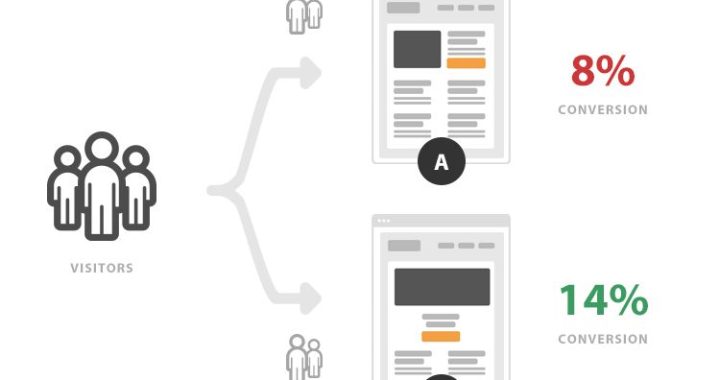
A/B testing is the process of comparing two versions of the same digital asset to identify which one performs better.

Typically:

  • Version A is the original version.
  • Version B contains one specific change.

Your audience is randomly divided between the two versions, and their behavior is measured. The version that achieves better results becomes the preferred choice.

This process removes guesswork and helps businesses improve their websites and marketing campaigns using real performance data.

Why Is A/B Testing Important?

Without testing, businesses often make decisions based on opinions rather than evidence. A/B testing allows marketers to understand what actually works for their audience.

Some key benefits include:

  • Higher conversion rates
  • Better customer experience
  • Increased click-through rates
  • Lower bounce rates
  • Improved marketing performance
  • Better return on investment (ROI)

Even small improvements discovered through testing can lead to significant long-term growth.

What Can You A/B Test?

Almost every digital element can be tested, including:

Website Headlines

Different headlines can attract varying levels of attention and encourage visitors to continue reading.

Call-to-Action (CTA) Buttons

You can test:

  • Button text
  • Button color
  • Button size
  • Button placement

For example, comparing “Get Started” with “Start Your Free Trial” may reveal which phrase generates more clicks.

Landing Pages

Test different layouts, images, forms, or page designs to improve user engagement and conversions.

Email Campaigns

Common elements to test include:

  • Subject lines
  • Email content
  • Images
  • Send times
  • CTA buttons

Advertisements

Compare:

  • Headlines
  • Ad copy
  • Images
  • Offers
  • Audience targeting

Testing helps improve advertising performance and reduce wasted spending.

Product Pages

Businesses often test:

  • Product descriptions
  • Images
  • Pricing displays
  • Customer reviews
  • Purchase buttons

Small adjustments can influence buying decisions.

How A/B Testing Works

The testing process follows a few simple steps:

Step 1: Set a Clear Goal

Decide what you want to improve.

Examples include:

  • More purchases
  • More newsletter subscriptions
  • Higher click-through rates
  • More contact form submissions

A specific goal makes your results easier to measure.

Step 2: Choose One Element to Test

Only test one variable at a time.

Examples include:

  • Headline
  • CTA button
  • Image
  • Form length

Changing multiple elements at once makes it difficult to identify which change influenced the results.

Step 3: Create Two Versions

Prepare:

  • Version A: The original page
  • Version B: The page with one modification

Everything else should remain the same.

Step 4: Split Your Audience

Either Version A or Version B is shown to visitors at random.

This ensures both versions receive similar types of users.

Step 5: Collect Enough Data

Allow sufficient traffic before drawing conclusions.

Ending a test too early can produce unreliable results.

Step 6: Analyze the Results

Compare important metrics such as:

  • Conversion rate
  • Click-through rate
  • Bounce rate
  • Engagement
  • Sales

If Version B performs better, implement it as the new standard.

Key Metrics to Monitor

When reviewing your A/B test, pay attention to:

  • Conversion Rate
  • Click-Through Rate (CTR)
  • Bounce Rate
  • Time on Page
  • Form Submissions
  • Sales
  • Revenue
  • Return on Investment (ROI)

Choose metrics that align with your business goals.

Common A/B Testing Mistakes

Many beginners make mistakes that reduce the accuracy of their tests.

Avoid:

  • Testing multiple changes at once
  • Stopping the test too early
  • Using a very small sample size
  • Ignoring business goals
  • Making decisions without enough data
  • Running tests without tracking results

A structured testing process produces more reliable insights.

Best Practices for Successful A/B Testing

To improve your testing strategy:

  • Test one variable at a time.
  • Define measurable goals before starting.
  • Give your test enough time to collect data.
  • Keep detailed records of every experiment.
  • Continue testing regularly.
  • Base decisions on data rather than opinions.

Remember, optimization is an ongoing process.

How the Best Digital Marketing Agency Uses A/B Testing

The Best Digital Marketing Agency uses A/B testing to improve websites, landing pages, email campaigns, advertisements, and conversion funnels. By analyzing real user behavior, marketers can identify the changes that produce the best results instead of relying on assumptions.

For example, testing different headlines, button text, or page layouts can increase lead generation and sales without increasing advertising costs. Continuous testing helps businesses improve customer experiences, maximize conversions, and achieve long-term marketing success.

Conclusion

A/B testing is one of the most valuable techniques in digital marketing because it helps businesses make smarter decisions based on real data. Instead of guessing what customers want, you can test different versions of your content and measure which one performs better.

Whether you’re optimizing a landing page, improving an email campaign, or refining an online advertisement, regular A/B testing leads to better user experiences, higher conversion rates, and stronger business growth.

At World Digital Hub, we believe successful marketing is built on continuous improvement. As the Best Digital Marketing Agency, we use A/B testing, analytics, SEO, and data-driven strategies to help businesses improve performance, attract more customers, and achieve measurable results.

Frequently Asked Questions (FAQs)

1. What is A/B testing?

A/B testing, also called split testing, is a method of comparing two versions of a webpage, email, advertisement, or other digital asset to determine which performs better based on user behavior.

2. Why is A/B testing important?

A/B testing helps businesses make data-driven decisions, improve user experience, increase conversions, reduce bounce rates, and maximize return on investment (ROI).

3. What elements can be tested?

You can test headlines, call-to-action buttons, landing pages, email subject lines, advertisements, product pages, images, forms, and website layouts.

4. What is the ideal duration for an A/B test?

A test should continue until it collects enough data to produce reliable results. The exact duration depends on your website traffic and the number of visitors participating in the test.

What Are KPIs? The Metrics Which Really Count…?

What Are KPIs? The Metrics Which Really Count (and Many Don’t)

In digital marketing, numbers are everywhere. Website traffic, social media likes, email opens, ad impressions, and follower counts can make it seem like your business is performing well. But do these numbers always reflect real success? Not necessarily. This is where Key Performance Indicators (KPIs) become essential.

KPIs are measurable values that help businesses understand whether they are achieving their goals. Instead of tracking every available metric, KPIs focus on the data that truly impacts growth, customer engagement, and revenue. Instead of depending on conjecture, they assist companies in making well-informed judgments.

Whether you’re running a startup, an online store, or a large organization, choosing the right KPIs allows you to monitor progress, improve marketing strategies, and maximize return on investment (ROI).

The Best Digital Marketing Agency doesn’t chase impressive-looking numbers—it focuses on meaningful KPIs that drive real business results. In this blog, we’ll explain what KPIs are, which metrics matter most, which ones can be misleading, and how to choose the right KPIs for your business.

What Are KPIs?

A Key Performance Indicator (KPI) is a measurable value that shows how effectively a business is achieving a specific objective.

Unlike general metrics, KPIs are directly connected to business goals. They help answer questions such as:

  • Is our website attracting the right audience?
  • Are our marketing campaigns generating leads?
  • Are visitors becoming customers?
  • Are we increasing revenue over time?

A good KPI provides clear, actionable insights that support better decision-making.

Why Are KPIs Important?

Tracking the right KPIs helps businesses:

  • Measure marketing success
  • Identify strengths and weaknesses
  • Improve decision-making
  • Set realistic goals
  • Optimize campaigns
  • Increase return on investment (ROI)
  • Monitor long-term growth

Without KPIs, it’s difficult to know whether your marketing efforts are producing meaningful results.

KPIs vs Metrics

Although people often use these terms interchangeably, they are not the same.

KPIs Metrics
Directly linked to business goals Measures general activity
Helps evaluate success Provides supporting information
Guides decision-making Offers additional insights
Focuses on outcomes Focuses on numbers

For example:

  • Website Traffic is a metric.
  • Lead Conversion Rate is a KPI because it directly measures business success.

KPIs That Actually Matter

1. Website Traffic

The number of visitors to your website is indicated by its traffic.

While traffic alone doesn’t guarantee success, consistent growth indicates increasing visibility and brand awareness.

2. Conversion Rate

The percentage of visitors that finish a targeted action is known as the conversion rate.

Examples include:

  • Making a purchase
  • Filling out a contact form
  • Booking a consultation
  • Signing up for a newsletter

A strong conversion rate often reflects an effective website and marketing strategy.

3. Customer Acquisition Cost (CAC)

CAC measures how much it costs to acquire one new customer.

Keeping acquisition costs lower than customer value helps maintain profitable growth.

4. Return on Investment (ROI)

ROI measures how much profit your marketing activities generate compared to the money invested.

This is one of the most valuable KPIs because it directly reflects campaign performance.

5. Customer Retention Rate

Acquiring new customers is important, but retaining existing ones is often even more valuable.

A high retention rate indicates customer satisfaction and long-term loyalty.

6. Lead Generation

Leads represent potential customers who express interest in your products or services.

Monitoring lead generation helps businesses evaluate marketing effectiveness.

7. Organic Search Traffic

Organic traffic comes from search engines without paid advertising.

Growth in organic traffic usually reflects successful SEO efforts.

To measure long-term search visibility, The Best Digital Marketing Agency maintains constant watch on this KPI.

Metrics That Can Be Misleading

Not every impressive number contributes to business success.

Social Media Likes

A post may receive thousands of likes without generating sales or leads.

Engagement is useful, but business impact matters more.

Follower Count

Having a large audience doesn’t always mean people are interested in your products or services.

A smaller, highly engaged audience often delivers better results.

Page Views Alone

High page views don’t necessarily indicate success if visitors leave immediately without taking action.

Always evaluate engagement and conversions alongside traffic.

Ad Impressions

An advertisement may appear thousands of times, but impressions alone don’t guarantee meaningful engagement or sales.

Choosing the Right KPIs

Every business has different objectives.

For Brand Awareness

Focus on:

  • Website traffic
  • Reach
  • Organic search growth
  • Social engagement

For Lead Generation

Track:

  • Contact form submissions
  • Email sign-ups
  • Qualified leads
  • Cost per lead

For E-commerce Businesses

Monitor:

  • Sales revenue
  • Conversion rate
  • Average order value
  • Cart abandonment rate

For Customer Retention

Measure:

  • Repeat purchases
  • Customer satisfaction
  • Retention rate
  • Customer lifetime value

Choosing KPIs that align with your goals provides more meaningful insights.

Common KPI Mistakes

Businesses often make these mistakes:

  • Tracking too many metrics
  • Choosing KPIs unrelated to business goals
  • Ignoring customer behavior
  • Measuring short-term results only
  • Failing to review KPIs regularly

Keeping your KPI dashboard focused makes it easier to identify opportunities for improvement.

How to Improve Your KPIs

Improving KPIs requires consistent optimization.

Some best practices include:

  • Create valuable content.
  • Improve website speed.
  • Optimize for search engines.
  • Enhance user experience.
  • Test marketing campaigns regularly.
  • Analyze customer feedback.
  • Review performance reports monthly.

Small improvements over time often produce significant long-term growth.

How the Best Digital Marketing Agency Uses KPIs

The Best Digital Marketing Agency believes that successful marketing is driven by data, not assumptions. Instead of focusing on vanity metrics, experienced marketers monitor KPIs that directly influence business performance.

By tracking website traffic, conversions, SEO performance, customer acquisition costs, and ROI, businesses gain valuable insights into what’s working and where improvements are needed. These data-driven decisions help create more effective campaigns, improve customer experiences, and deliver measurable business growth.

Conclusion

KPIs are the foundation of successful digital marketing because they help businesses measure progress toward meaningful goals. While general metrics provide useful information, KPIs focus on the numbers that truly impact growth, customer engagement, and profitability.

Instead of becoming distracted by likes, impressions, or follower counts, businesses should prioritize metrics such as conversions, ROI, customer retention, and qualified leads. These indicators provide a clearer picture of marketing success and support better decision-making.

At World Digital Hub, we believe that every marketing strategy should be backed by reliable data. As the Best Digital Marketing Agency, we help businesses identify the right KPIs, monitor performance, and continuously optimize campaigns for sustainable, long-term success.

Frequently Asked Questions (FAQs)

1. What is a KPI?

A Key Performance Indicator (KPI) is a measurable value that helps businesses evaluate how effectively they are achieving specific goals.

2. What is the difference between a KPI and a metric?

A metric measures general performance, while a KPI is directly connected to business objectives and helps determine overall success.

3. What are the most important digital marketing KPIs?

Some of the most valuable KPIs include website traffic, conversion rate, customer acquisition cost (CAC), return on investment (ROI), lead generation, customer retention, and organic search traffic.

4. Why are vanity metrics considered less useful?

Vanity metrics, such as likes, follower counts, or impressions, may look impressive but don’t always indicate business growth, customer engagement, or revenue.

What Is Google Analytics, and How to Read It Like a Pro..?

What Is Google Analytics, and How to Read It Like a Pro

Running a website without tracking its performance is like driving a car without looking at the dashboard. You may be moving forward, but you won’t know how fast you’re going, how much fuel you have left, or when something needs attention. This is where Google Analytics becomes an essential tool.

Google Analytics helps website owners understand how visitors find and interact with their websites. It provides valuable information about website traffic, user behavior, popular pages, and marketing performance. Instead of guessing what works, businesses can make informed decisions based on real data.

Whether you own a small business, manage an online store, or work as a digital marketer, learning to read Google Analytics can help you improve your website, attract more visitors, and increase conversions.

The Best Digital Marketing Agency uses Google Analytics to monitor campaigns, understand customer behavior, and optimize websites for better performance. In this blog, we’ll explain what Google Analytics is, its key features, and how you can read its reports like a professional.

What Is Google Analytics?

Google Analytics is a free web analytics platform developed by Google that helps businesses track and analyze website traffic.

It collects data about visitors, including:

  • Number of website users
  • Traffic sources
  • Popular pages
  • Time spent on the website
  • User behavior
  • Device types
  • Geographic locations
  • Conversion activities

This information helps businesses understand how visitors interact with their websites and identify opportunities for improvement.

Why Is Google Analytics Important?

Without analytics, businesses rely on assumptions. Google Analytics provides accurate insights that support smarter marketing decisions.

Its benefits include:

  • Measuring website performance
  • Understanding customer behavior
  • Identifying successful marketing channels
  • Improving user experience
  • Tracking conversions
  • Supporting SEO strategies
  • Monitoring business growth

Data-driven decisions often produce better long-term results than guesswork.

Key Metrics You Should Know

Understanding a few core metrics makes Google Analytics much easier to use.

Users

This shows how many unique people visited your website during a selected time period.

A growing number of users usually indicates increasing brand awareness.

Sessions

Session that represents a visit of your website.

One user may have multiple sessions if they return several times.

Views

Views show how many pages visitors looked at during their sessions.

Higher page views often suggest visitors are exploring your content.

Engagement Rate

The engagement rate measures how actively visitors interact with your website.

A higher engagement rate often indicates that users find your content useful and relevant.

Average Engagement Time

This metric shows how long visitors actively spend on your website.

Longer engagement usually reflects valuable content and a better user experience.

Conversions

Conversions measure important actions completed by visitors.

Examples include:

  • Filling out a contact form
  • Purchasing a product
  • Downloading a guide
  • Signing up for a newsletter

Conversions are one of the most valuable metrics because they directly relate to business goals.

Understanding Traffic Sources

Google Analytics categorizes website visitors based on how they arrived.

Organic Search

Visitors who found your website through search engines like Google.

This traffic is often driven by strong SEO efforts.

Direct Traffic

visitors who both took advantage of a saved bookmarking or placed your website’s address directly into their browser.

Referral Traffic

Visitors who clicked links from other websites that directed them to your site.

Social Traffic

Visitors arriving from social media platforms such as Facebook, Instagram, LinkedIn, or X.

Paid Traffic

Visitors generated through paid advertising campaigns like Google Ads or social media ads.

Knowing your traffic sources helps you understand which marketing channels are delivering the best results.

Reports Every Beginner Should Read

Google Analytics offers many reports, but beginners should focus on a few essential ones.

Acquisition Report

Shows where your visitors come from and which marketing channels generate the most traffic.

Engagement Report

Displays your most popular pages and how users interact with your content.

Demographics Report

Provides information about your audience, including age groups, countries, cities, and languages.

Technology Report

Shows which devices, browsers, and operating systems visitors use.

Optimizing your website for popular devices improves user experience.

Conversion Report

Tracks important business actions such as purchases, sign-ups, and contact form submissions.

How to Read Google Analytics Like a Pro

Reading reports isn’t just about looking at numbers. It’s about knowing the value of those statistics.

Look for Trends

Compare traffic over different weeks or months to identify growth or decline.

Identify High-Performing Pages

Find pages that attract the most visitors and engagement.

These pages can inspire future content.

Monitor Bounce Patterns

If visitors leave quickly from certain pages, review the content, loading speed, or user experience.

Track Marketing Campaigns

Evaluate whether SEO, social media, email, or paid advertising generates the highest-quality traffic.

Measure Business Goals

Focus on metrics that align with your objectives, such as leads, sales, or newsletter subscriptions.

Common Mistakes to Avoid

Many beginners make these mistakes when using Google Analytics:

  • Looking only at traffic numbers
  • Ignoring conversion data
  • Not comparing date ranges
  • Focusing on one metric instead of the overall picture
  • Forgetting to define business goals
  • Making decisions without sufficient data

Analytics becomes most valuable when multiple metrics are analyzed together.

How Google Analytics Supports SEO

Google Analytics complements SEO by helping businesses understand how users interact with their websites.

It helps marketers:

  • Discover high-performing pages
  • Monitor organic traffic growth
  • Improve user engagement
  • Identify content opportunities
  • Optimize landing pages
  • Measure SEO campaign effectiveness

The Best Digital Marketing Agency combines Google Analytics with SEO strategies to improve search visibility and deliver measurable business results.

Best Practices for Using Google Analytics

To get the most from Google Analytics:

  • Review reports regularly.
  • Set clear business goals.
  • Track conversions.
  • Compare performance over time.
  • Monitor your top-performing pages.
  • Use insights to improve content and marketing campaigns.
  • Continue testing and optimizing your website.

Consistent analysis leads to continuous improvement.

Conclusion

Google Analytics is one of the most powerful tools available for understanding website performance. It provides valuable insights into visitor behavior, traffic sources, engagement, and conversions, allowing businesses to make informed decisions rather than relying on assumptions.

Learning to read analytics reports may seem challenging at first, but by focusing on key metrics and understanding user behavior, anyone can use data to improve website performance and achieve better marketing results.

At World Digital Hub, we use data-driven strategies to help businesses grow online. As the Best Digital Marketing Agency, we combine Google Analytics, SEO, content marketing, and digital advertising to create measurable results that support long-term business success.

Frequently Asked Questions (FAQs)

1. What is Google Analytics?

Google Analytics is a free web analytics platform that helps businesses track website traffic, understand visitor behavior, measure marketing performance, and monitor conversions.

2. Why is Google Analytics important?

It provides valuable insights that help businesses improve their websites, understand customer behavior, optimize marketing campaigns, and make data-driven decisions.

3. What are the most important Google Analytics metrics?

Some of the key metrics include users, sessions, page views, engagement rate, average engagement time, traffic sources, and conversions.

4. Can Google Analytics improve SEO?

Yes. Google Analytics helps identify high-performing pages, monitor organic traffic, analyze user behavior, and measure the effectiveness of SEO strategies.

What Is Community-Led Growth?

What Is Community-Led Growth? (The Quiet Strategy Proven for Big Brands)

In today’s competitive digital landscape, businesses are realizing that attracting new customers is only part of the equation. Long-term success comes from building meaningful relationships with people who genuinely believe in a brand. This is where Community-Led Growth (CLG) comes into play.

Community-Led Growth is a strategy that focuses on creating and nurturing a loyal community around a brand rather than relying only on paid advertising or traditional sales techniques. Instead of treating customers as one-time buyers, businesses encourage them to become active participants, advocates, and even contributors to the brand’s growth.

Many of the world’s most successful companies have quietly embraced this approach. They invest in communities where customers can share experiences, ask questions, provide feedback, and connect with others who have similar interests. These communities create trust, improve customer loyalty, and generate organic word-of-mouth marketing.

The Best Digital Marketing Agency recognizes that strong communities often become a brand’s most valuable asset. By combining valuable content, meaningful engagement, and customer-focused strategies, businesses can create sustainable growth that goes far beyond traditional marketing.

In this blog, we’ll explain what Community-Led Growth is, why it matters, how it works, and how businesses can use it to build lasting success.

What Is Community-Led Growth?

Community-Led Growth (CLG) is a business strategy where growth is driven by an engaged and loyal community of customers, users, or supporters.

Instead of focusing only on selling products or services, businesses encourage ongoing interaction through:

  • Online communities
  • Social media groups
  • Discussion forums
  • Events and webinars
  • Educational content
  • Customer feedback programs

The goal is to create a space where members feel connected to both the brand and one another.

Why Is Community-Led Growth Important?

Modern consumers expect more than products—they want meaningful experiences and genuine relationships with the brands they support.

A strong community helps businesses:

  • Build trust
  • Increase customer loyalty
  • Encourage repeat purchases
  • Generate referrals
  • Collect valuable feedback
  • Improve customer satisfaction

When customers feel valued, they are more likely to encourage the brand to others.

How Community-Led Growth Works

Community-Led Growth is built on engagement rather than direct promotion.

The process often includes:

Creating Valuable Content

Businesses share helpful blogs, videos, webinars, tutorials, and educational resources that solve customer problems.

Encouraging Conversations

Brands actively participate in discussions, answer questions, and encourage members to interact with one another.

Listening to Feedback

Community members often provide suggestions that help improve products, services, and customer experiences.

Recognizing Members

Acknowledging loyal customers through shout-outs, rewards, or exclusive opportunities strengthens community relationships.

Benefits of Community-Led Growth

1. Builds Long-Term Customer Loyalty

Customers who feel connected to a brand are more likely to remain loyal over time.

Rather than constantly searching for new customers, businesses can strengthen relationships with existing ones.

2. Creates Organic Word-of-Mouth Marketing

Happy community members naturally recommend products and services to friends, family, and colleagues.

These recommendations often carry more trust than traditional advertisements.

3. Improves Customer Retention

Maintaining existing customers is generally more cost-effective than acquiring new ones.

A strong community encourages repeat business and long-term engagement.

4. Generates Valuable Feedback

Community discussions help businesses identify:

  • Customer needs
  • Product improvements
  • Common challenges
  • New opportunities

This feedback supports better decision-making.

5. Increases Brand Trust

Open communication and transparency strengthen credibility.

Customers appreciate brands that listen, respond, and continuously improve.


Community-Led Growth vs Traditional Marketing

Community-Led Growth Traditional Marketing
Focuses on relationships Focuses on promotions
Supports discussion exchanges messages within the same direction
Builds loyalty Drives immediate sales
Creates long-term engagement Often campaign-based
depends upon consumer advocacy mainly depends on commercials

Both approaches can work together, but Community-Led Growth emphasizes sustainable relationships.

Examples of Community Building

Businesses can create communities through:

  • Facebook Groups
  • LinkedIn Communities
  • Discord Servers
  • Telegram Groups
  • Online Forums
  • Customer Events
  • Educational Webinars
  • Membership Programs

The platform matters less than the value provided to members.

Tips for Building a Successful Community

Understand Your Audience

Know your customers’ interests, challenges, and goals before creating a community.

Share Valuable Content

Provide educational resources rather than constant sales messages.

Helpful content keeps members engaged.

Encourage Participation

Ask questions, create polls, host discussions, and invite members to share experiences.

Stay Consistent

Communities grow through regular interaction and active management.

Consistency builds trust.

Celebrate Members

Recognize contributions, highlight success stories, and thank active participants.

People appreciate feeling valued.

Common Mistakes to Avoid

Businesses should avoid:

  • Focusing only on sales
  • Ignoring customer feedback
  • Posting inconsistently
  • Allowing spam or negativity
  • Failing to engage with members
  • Creating communities without clear goals

Successful communities require genuine interaction and long-term commitment.

The Role of Content in Community Growth

Content plays a vital role in keeping communities active.

Useful content includes:

  • Blog posts
  • Video tutorials
  • Live Q&A sessions
  • Industry updates
  • Case studies
  • Customer success stories
  • Educational guides

Consistent, high-quality content encourages ongoing participation and builds trust over time.

How the Best Digital Marketing Agency Supports Community-Led Growth

The Best Digital Marketing Agency understands that communities are built through meaningful engagement, not just marketing campaigns. Effective Community-Led Growth begins with understanding the audience, creating valuable content, encouraging discussions, and maintaining consistent communication.

By combining SEO, social media marketing, email campaigns, and community management, businesses can build loyal audiences that actively support and promote their brand. A strong community not only improves customer retention but also creates long-term business growth through trust and authentic relationships.

The Future of Community-Led Growth

As digital marketing continues to evolve, communities will become even more valuable.

Future trends include:

  • AI-powered community management
  • Personalized member experiences
  • Private online communities
  • Live interactive events
  • Creator-led communities
  • Greater customer collaboration

Brands that invest in meaningful relationships today will be better positioned for future success.

Conclusion

Community-Led Growth is changing the way businesses connect with customers. Instead of focusing only on short-term sales, this strategy emphasizes building relationships, encouraging conversations, and creating loyal communities that support long-term success.

Businesses that invest in their communities often experience stronger customer loyalty, better retention, increased referrals, and valuable feedback that drives continuous improvement. Whether you’re a startup, small business, or established brand, building a community can become one of your greatest competitive advantages.

At World Digital Hub, we help businesses create meaningful digital experiences that strengthen customer relationships and encourage sustainable growth. As the Best Digital Marketing Agency, we believe that strong communities are built through trust, valuable content, and consistent engagement—not just advertising.

Frequently Asked Questions (FAQs)

1. What is Community-Led Growth?

Community-Led Growth (CLG) is a business strategy that focuses on building and engaging a loyal community of customers who actively support, promote, and contribute to a brand’s growth.

2. Why is Community-Led Growth important?

It helps businesses build customer trust, improve retention, increase referrals, collect valuable feedback, and create long-term relationships that support sustainable growth.

3. How is Community-Led Growth different from traditional marketing?

Traditional marketing focuses mainly on promoting products and generating sales, while Community-Led Growth emphasizes building relationships, encouraging engagement, and creating loyal customer communities.

4. Which platforms can businesses use to build communities?

Businesses can build communities through Facebook Groups, LinkedIn Communities, Discord, Telegram, online forums, webinars, membership platforms, and other interactive digital spaces.

Influencer Marketing..

Influencer Marketing 101: Micro vs Macro Influencers

Influencer marketing has become one of the most effective digital marketing strategies for businesses of all sizes. Instead of relying only on traditional advertisements, brands now collaborate with individuals who have built loyal audiences on social media platforms like Instagram, YouTube, TikTok, LinkedIn, and Facebook. These influencers help businesses increase brand awareness, build trust, and encourage potential customers to try new products or services.

However, not all influencers are the same. Some have millions of followers, while others have smaller but highly engaged communities. This is why businesses often face an important question: Should you work with a micro influencer or a macro influencer?

The answer depends on your marketing goals, budget, target audience, and campaign objectives. Understanding the strengths and limitations of each type of influencer can help you make better marketing decisions.

The Best Digital Marketing Agency carefully evaluates influencer partnerships to ensure businesses connect with the right audience and maximize their return on investment (ROI). In this guide, we’ll explain the differences between micro and macro influencers, their advantages, and how to choose the right one for your business.

What Is Influencer Marketing?

Influencer marketing is a digital marketing strategy where brands collaborate with content creators who have built credibility and a dedicated audience on social media.

Instead of promoting products directly through advertisements, businesses partner with influencers to showcase products naturally through:

  • Product reviews
  • Tutorials
  • Unboxing videos
  • Social media posts
  • Live streams
  • Giveaways
  • Brand collaborations

Because followers trust influencers, their recommendations often feel more authentic than traditional advertising.

Who Are Micro Influencers?

Typically, micro influencers have around 10,000 to 100,000 followers. on social media. While their audience is smaller than that of celebrities, they usually focus on a specific niche such as:

  • Fitness
  • Fashion
  • Technology
  • Beauty
  • Travel
  • Gaming
  • Food
  • Finance
  • Education

Their followers often view them as relatable experts, leading to stronger engagement and trust.

Advantages of Micro Influencers

  • Higher engagement rates
  • More authentic relationships with followers
  • Cost-effective partnerships
  • Better audience targeting
  • Greater trust and credibility

Many small and medium-sized businesses prefer micro influencers because they provide strong value without requiring large marketing budgets.

Who Are Macro Influencers?

Macro influencers generally have 100,000 to over 1 million followers. They are well-known personalities who have built large online communities across one or multiple platforms.

Many macro influencers are:

  • Full-time content creators
  • Industry experts
  • Public figures
  • Entertainers
  • Professional athletes
  • Well-known bloggers

Their large audience allows brands to reach a much wider group of people.

Advantages of Macro Influencers

  • Massive brand exposure
  • Large audience reach
  • Strong brand recognition
  • Professional content quality
  • Ability to launch large-scale campaigns

Macro influencers are often chosen by national or international brands looking for broad visibility.

Micro vs Macro Influencers

Feature Micro Influencers Macro Influencers
Followers 10K–100K 100K–1M+
Engagement Usually Higher Usually Lower
Cost More Affordable More Expensive
Audience Niche & Targeted Broad & Diverse
Trust Level High Moderate to High
Best For Small Businesses Large Brand Campaigns

Both influencer types have unique strengths, and the right choice depends on your campaign objectives.

Which Influencer Is Better?

There is no universal answer because different campaigns require different approaches.

Choose micro influencers if your goal is to:

  • Build community trust
  • Target a specific audience
  • Increase engagement
  • Work within a limited budget
  • Promote niche products

Choose macro influencers if your goal is to:

  • Increase brand awareness
  • Reach a large audience quickly
  • Launch national campaigns
  • Promote well-known products
  • Generate widespread visibility

Some brands even combine both strategies for maximum impact.

How to Choose the Right Influencer

Before selecting an influencer, consider the following factors:

Audience Relevance

Ensure the influencer’s followers match your target audience.

Engagement Rate

High engagement often indicates an active and loyal community.

Content Quality

Review the influencer’s posts, videos, and storytelling style to see if they align with your brand.

Authenticity

Choose influencers who genuinely connect with their audience rather than promoting products excessively.

Brand Values

Partner with influencers whose values and reputation complement your business.

Benefits of Influencer Marketing

When planned effectively, influencer marketing offers several advantages:

  • Builds customer trust
  • Increases brand awareness
  • Reaches targeted audiences
  • Improves social media engagement
  • Generates quality leads
  • Supports product launches
  • Creates authentic brand storytelling

Unlike traditional advertising, influencer marketing often feels more personal and relatable.

Common Mistakes to Avoid

Many businesses make avoidable mistakes when launching influencer campaigns.

Avoid:

  • Choosing influencers only on counting the number on associates
  • Ignoring engagement metrics
  • Working with influencers outside your niche
  • Failing to define campaign goals
  • Not tracking campaign performance
  • Overlooking audience demographics

Successful campaigns focus on quality partnerships rather than popularity alone.

Measuring Campaign Success

To understand whether an influencer campaign is successful, monitor key performance indicators (KPIs), including:

  • Reach and impressions
  • Likes, comments, and shares
  • Click-through rate (CTR)
  • Website traffic
  • Lead generation
  • Sales and conversions
  • Return on investment (ROI)

Tracking these metrics helps businesses improve future campaigns.

How the Best Digital Marketing Agency Uses Influencer Marketing

The Best Digital Marketing Agency understands that successful influencer marketing is about more than choosing someone with a large following. A strategic approach includes researching the influencer’s audience, analyzing engagement rates, defining campaign goals, and measuring results after the campaign ends.

For example, a local business may benefit more from several trusted micro influencers who connect with a specific community, while a national brand launching a new product may achieve better results with macro influencers who offer broader visibility. By matching influencer partnerships with business objectives, brands can improve awareness, customer trust, and overall marketing performance.

The Future of Influencer Marketing

Influencer marketing continues to evolve as social media platforms change.

Future trends include:

  • Growth of nano and micro influencers
  • AI-powered campaign analysis
  • Long-term brand partnerships
  • Greater focus on authenticity
  • Video-first content strategies
  • Performance-based influencer collaborations

Brands that prioritize genuine relationships and valuable content will continue to succeed in this rapidly changing landscape.

Conclusion

Influencer marketing has become one of the most effective ways for businesses to connect with customers in a genuine and engaging manner. While macro influencers provide large-scale exposure, micro influencers often deliver stronger engagement and deeper audience trust. The best choice depends on your marketing goals, budget, and target audience.

Rather than focusing solely on follower numbers, businesses should evaluate engagement, authenticity, content quality, and audience relevance before selecting an influencer. A well-planned influencer strategy can increase brand awareness, improve customer relationships, and generate meaningful business growth.

At World Digital Hub, we help businesses build effective influencer marketing campaigns that deliver measurable results. As the Best Digital Marketing Agency, we combine market research, audience insights, and creative strategies to connect brands with the right influencers and maximize campaign success.

Frequently Asked Questions (FAQs)

1. What is influencer marketing?

Influencer marketing is a digital marketing strategy where businesses collaborate with social media creators to promote products or services to their audience through authentic and engaging content.

2. What is the difference between micro and macro influencers?

Micro influencers usually have between 10,000 and 100,000 followers and higher engagement rates, while macro influencers have over 100,000 followers and offer greater overall reach.

3. Which type of influencer is better for small businesses?

Micro influencers are often a better choice for small businesses because they are more affordable, have highly engaged audiences, and typically build stronger trust with their followers.

4. How do businesses choose the right influencer?

Businesses should consider audience relevance, engagement rate, content quality, authenticity, brand values, and campaign objectives rather than focusing only on follower count.

What Is Personal Branding, and Why It Matters More Than Ever..?

What Is Personal Branding, and Why It Matters More Than Ever

In today’s digital world, people often search online before deciding whom to hire, follow, or do business with. Whether you’re a student, freelancer, entrepreneur, content creator, or corporate professional, your online presence can shape how others perceive you. This is where personal branding becomes important.

Personal branding is more than having a professional profile picture or posting regularly on social media. It is about creating a consistent image that reflects your skills, values, personality, and expertise. A strong personal brand helps you stand out from the crowd, build trust, and create opportunities that may not come through traditional networking alone.

With millions of people sharing content online every day, having a unique identity is more valuable than ever. Companies also look for individuals who demonstrate knowledge, credibility, and professionalism online.

The Best Digital Marketing Agency understands that strong businesses are built by strong people. Whether you’re promoting your career or growing your company, personal branding can become one of your most powerful assets.

In this blog, we’ll explore what personal branding is, why it matters, and how you can build a brand that helps you achieve your personal and professional goals.

What Is Personal Branding?

Personal branding is the process of presenting yourself in a way that highlights your knowledge, experience, values, and personality. It is the reputation you build through your actions, communication, and online presence.

Think of your personal brand as your digital identity. It tells people:

  • Who you are
  • What you do
  • What you believe in
  • What skills you have
  • Why people should trust you

A well-developed personal brand creates recognition and helps people remember you for the right reasons.

Why Personal Branding Matters

A strong personal brand offers many long-term benefits.

Builds Trust

People prefer to work with individuals they trust. Sharing helpful content, demonstrating expertise, and maintaining professionalism can establish credibility over time.

Creates Career Opportunities

Recruiters and employers often review online profiles before making hiring decisions. A strong personal brand can increase your chances of receiving job offers, freelance projects, or speaking invitations.

Helps You Stand Out

Many professionals have similar qualifications. Personal branding highlights what makes you different and gives people a reason to choose you over someone else.

Expands Your Network

A recognizable personal brand attracts like-minded professionals, clients, collaborators, and mentors.

Supports Business Growth

For entrepreneurs, customers often buy from people they know and trust. A strong personal brand can strengthen your company’s reputation and encourage customer loyalty.

Key Elements of a Strong Personal Brand

Building a personal brand requires consistency and authenticity.

1. Know Your Purpose

Ask yourself:

  • What do I want to be called..?
  • What problems can I solve..?
  • Who is my target audience..?

Having a clear purpose helps shape your messaging.

2. Identify Your Strength

Focus on your unique skills and experiences.

These could include:

  • Digital marketing
  • Graphic design
  • Programming
  • Public speaking
  • Writing
  • Business consulting

Your expertise becomes the foundation of your personal brand.

3. Be Authentic

People connect with genuine personalities.

Avoid pretending to be someone you’re not. Share your experiences honestly and let your values guide your communication.

4. Maintain Consistency

Use a consistent tone, style, and message across all platforms.

Consistency builds recognition and strengthens trust over time.

5. Provide Value

Instead of constantly promoting yourself, share content that educates, inspires, or solves problems.

Helpful content encourages people to follow and engage with your work.

Where Should You Build Your Personal Brand?

Your audience determines which platforms are most valuable.

Popular platforms include:

LinkedIn

Excellent for consultants, job seekers, professionals, and business networking.

Instagram

Great for creators, designers, photographers, coaches, and lifestyle brands.

YouTube

Excellent for tutorials, educational videos, product reviews, and storytelling.

Personal Website

A website gives you complete control over your content and showcases your portfolio, achievements, and services.

Blogging

Writing informative blogs demonstrates expertise and improves your online visibility through search engines.

How to Build Your Personal Brand

Building a personal brand takes time, but these steps can help you get started.

Define Your Goals

Decide what you want your personal brand to achieve, whether it’s career growth, business development, or becoming an industry expert.

Create High-Quality Content

Share valuable content related to your area of expertise.

Examples include:

  • Articles
  • Videos
  • Tutorials
  • Tips
  • Case studies
  • Industry insights

Engage With Your Audience

Respond to comments, answer questions, and participate in conversations.

Building relationships is just as important as publishing content.

Continue Learning

Industries change quickly.

Stay updated by learning new skills, following trends, and sharing your knowledge with others.

Be Patient

Strong personal brands are built through consistent effort over time.

Success rarely happens overnight.

Common Personal Branding Mistakes

Avoid these common mistakes:

  • Posting inconsistently
  • Copying others instead of being original
  • Ignoring audience engagement
  • Sharing inaccurate information
  • Focusing only on self-promotion
  • Having different messages across platforms

Authenticity and consistency are far more effective than trying to impress everyone.

Personal Branding and Digital Marketing

Personal branding and digital marketing work together.

Digital marketing helps you:

  • Reach a larger audience
  • Improve online visibility
  • Build authority
  • Generate leads
  • Grow your business

The Best Digital Marketing Agency helps professionals and businesses strengthen both their personal and company brands through SEO, content marketing, social media strategies, and website optimization.

The Future of Personal Branding

As technology continues to evolve, personal branding will become even more important.

Emerging trends include:

  • AI-assisted content creation
  • Video-first communication
  • Thought leadership
  • Community building
  • Authentic storytelling
  • Personal websites and portfolios

People who consistently share valuable knowledge and build genuine relationships will continue to stand out.

Conclusion

Personal branding is no longer optional—it is an essential part of building a successful career or business in the digital age. Whether you’re looking for a new job, attracting clients, growing a business, or becoming an industry expert, the way people perceive you online matters.

A strong personal brand is built on authenticity, consistency, expertise, and a genuine desire to help others. By sharing valuable content, engaging with your audience, and continuously improving your skills, you can create a reputation that opens doors to new opportunities.

As the Best Digital Marketing Agency, we help professionals and businesses build strong digital identities that inspire trust, increase visibility, and support long-term growth.

Frequently Asked Questions (FAQs)

1. What is personal branding?

Personal branding is the process of creating and managing how people perceive you based on your skills, values, expertise, personality, and online presence.

2. Why is personal branding important?

Personal branding helps build trust, improve career opportunities, attract clients, strengthen professional relationships, and establish credibility in your industry.

3. Who needs personal branding?

Students, freelancers, entrepreneurs, professionals, content creators, consultants, and business owners can all benefit from developing a strong personal brand.

4. Which platform is best for personal branding?

The best platform depends on your goals. LinkedIn is excellent for professionals, Instagram for visual creators, YouTube for educational content, and a personal website for showcasing your portfolio and achievements.